
Employer, the path to compliance can be fraught with pitfalls. A report to the labor inspection can have significant consequences. Between rights and obligations, the line is thin. What risks does an employer face in case of non-compliance with health and safety conditions? Let’s dive into the intricacies of possible sanctions and measures to take to avoid the worst.
What are the legal obligations of an employer?
In France, the employer must comply with a strict legal framework concerning working conditions, the health and safety of employees. These obligations include implementing preventive measures against harassment and protecting the rights of employees. Failure to comply with these rules can lead to a report.
The labor inspection ensures compliance with the legislation by conducting regular inspections. In case of conflict or violation, an employee can file a complaint, triggering an intervention by the inspection. The latter has the authority to conduct thorough investigations and take measures to ensure compliance.
What powers does the labor inspection have?
The labor inspection has extensive powers to guarantee adherence to regulations. It can interview staff, verify documents, and issue reports in case of non-compliance. Sanctions can range from simple recommendations to severe criminal fines.
In case of a report, the employer cannot punish an employee for contacting the inspection. This protection aims to encourage confidentiality and the evidence of violations without fear of retaliation. Posting the contact details of the inspection is mandatory within the company.
What are the consequences of non-compliance?
Failure to meet legal obligations exposes the employer to sanctions that can impact the company’s reputation and operations. The measures taken by the inspection may include activity restrictions, fines, or even legal proceedings.
In case of a serious violation, the employer may be held liable for damages, even potential ones. This underscores the importance of maintaining strict compliance to avoid costly disputes and preserve the company’s integrity.
How can an employer prepare for an inspection?

To anticipate a labor inspection check, it is advisable to conduct regular internal audits of the working conditions and the health and safety of employees. This helps identify any shortcomings and take corrective measures.
Ongoing training of staff representatives and employees on their rights and obligations is also essential. Effective mediation in case of conflict can prevent a report and foster a harmonious working environment.
What protections exist for whistleblowing employees?
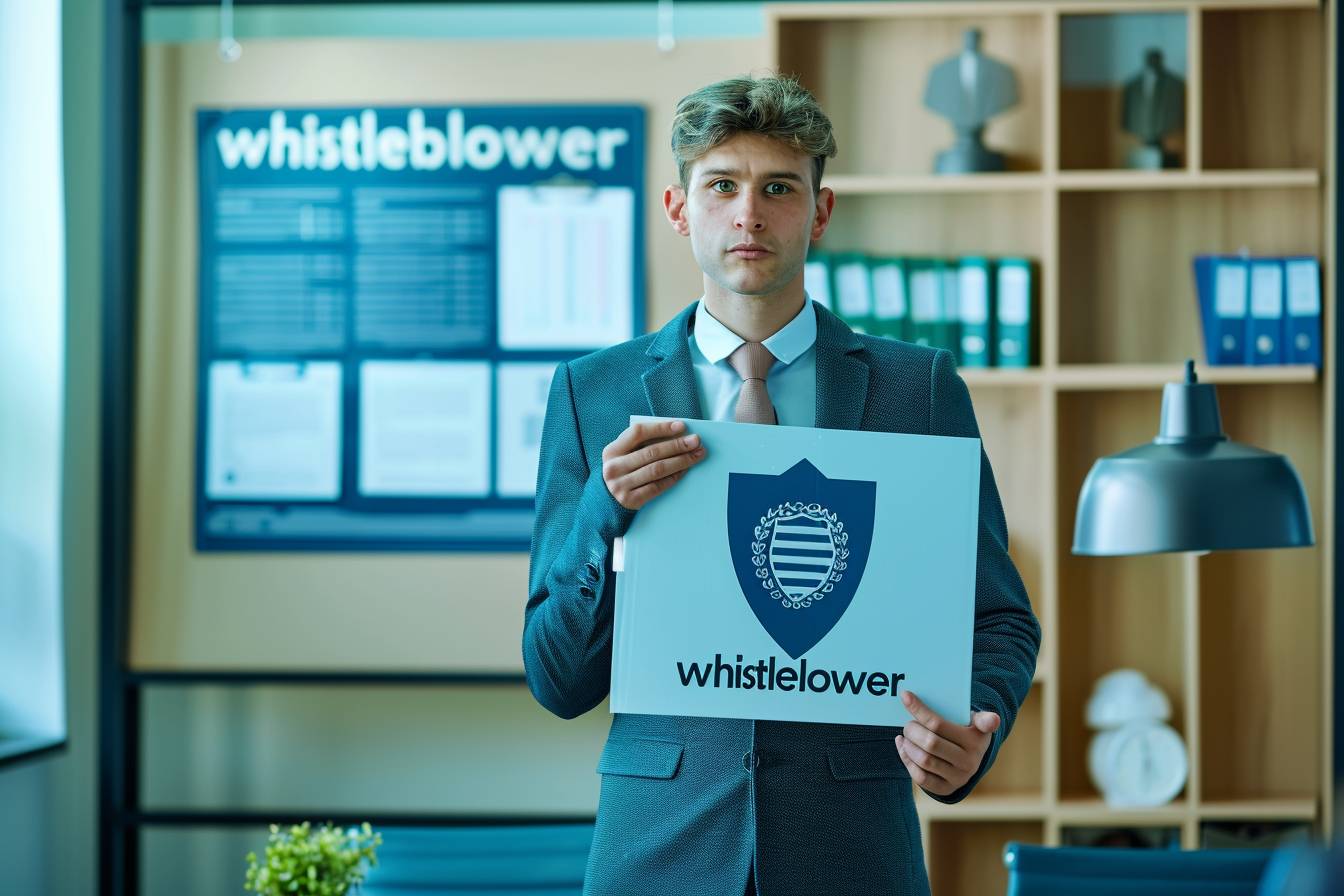
Employees who report violations benefit from enhanced protection. The employer cannot take retaliatory measures against them, which guarantees confidentiality and encourages complaints in case of non-compliance with regulations.
This protection also extends to staff representatives, who play a key role in communicating the rights of employees and resolving disputes. A good understanding of protection measures can prevent conflicts and ensure a safe working environment.
Let’s now explore some key aspects to better understand the issues related to reporting to the labor inspection.
- Legal obligations: The employer is required to comply with safety and health regulations at work to avoid any violations.
- Possible sanctions: Failure to comply with laws can result in fines, activity restrictions, or even legal action.
- Employee protection: Whistleblowing employees benefit from protection against retaliation, ensuring the confidentiality of their complaint.
How to manage a labor inspection intervention?
When an intervention by the labor inspection is announced, it is crucial to be well prepared. The employer must ensure that all documents related to working conditions are up to date and easily accessible. Good administrative organization can make a difference during an inspection.
Clear communication with employees is also essential. Informing staff about the process of an inspection can reduce stress and ensure effective cooperation. Transparency and involvement of employee representatives can facilitate the process.
In case of a potential dispute or conflict, it is advisable to resort to mediation before the arrival of the inspection. This can help resolve some issues beforehand and demonstrate a proactive willingness to comply with regulations.
What role does internal documentation play?
Internal documentation is a key pillar to ensure compliance with regulations. It serves as evidence in case of disputes and demonstrates the effective implementation of health and safety measures. A good document management system helps track legal obligations and facilitates exchanges with the labor inspection.
How to strengthen the safety culture at work?
Establishing a culture of safety within the company is essential to prevent violations. This involves regular training, raising employees’ awareness of potential risks, and encouraging reporting of any dangerous situations. A safe working environment promotes well-being and protection for all.
What are the benefits of proactive compliance?
Adopting a proactive approach to compliance offers many advantages for the employer. It not only reduces the risk of sanctions and disputes, but also improves the company’s reputation. By respecting the rights of employees and ensuring optimal working conditions, the company creates a climate of trust and safety, conducive to increased performance and better protection of its interests.
FAQ: Understanding the Challenges of Workplace Compliance
How to report a problem without risking retaliation?
Employees have legal protection against retaliation when reporting violations to the labor inspection. It is important to follow the appropriate procedure and ensure that the steps are documented to guarantee this protection.
What are the consequences for an employer in case of repeated non-compliance?
In case of repeated non-compliance, an employer may face harsher sanctions, including high fines, activity restrictions, and legal actions. This can also affect the company’s reputation and its ability to attract and retain talent.
What tools can help maintain compliance in a company?
Implementing an effective document management system, conducting regular internal audits, and continuous employee training are key tools to maintain compliance. These practices allow for the quick detection of potential shortcomings and ensure continuous improvement of working conditions.