
The debate on working hours and public holidays regularly resurfaces in French news, but this time, it is François Bayrou who is shaking up the political scene. The former minister and current president of the Modem party has proposed the elimination of two public holidays in France, specifically citing Easter Monday and May 8th. This announcement is part of his plan for the 2026 budget, with the stated goal of boosting the economy and giving new momentum to national growth.
These proposals, described as “proposals open for discussion” by Bayrou himself, immediately sparked strong reactions across the country. Between employee concerns, union questions, and expert analyses, the issue divides opinion. The choice of the days involved is not accidental, as they are deeply rooted in French culture and collective memory. Could this measure really transform the economy, or would it risk attacking a part of the social heritage? A look back at the details of this proposal, its motivations, potential consequences, and the reactions it provokes.
Why does François Bayrou want to eliminate two public holidays?
François Bayrou’s intention is part of a broader reflection on French competitiveness and productivity. According to him, maintaining certain public holidays weighs on economic activity, especially in a context where France is trying to restore its public finances and support growth. The choice to target Easter Monday and May 8th is no coincidence: these dates often occur in spring, a period already marked by several breaks and long weekends, which can slow down the pace in many sectors.
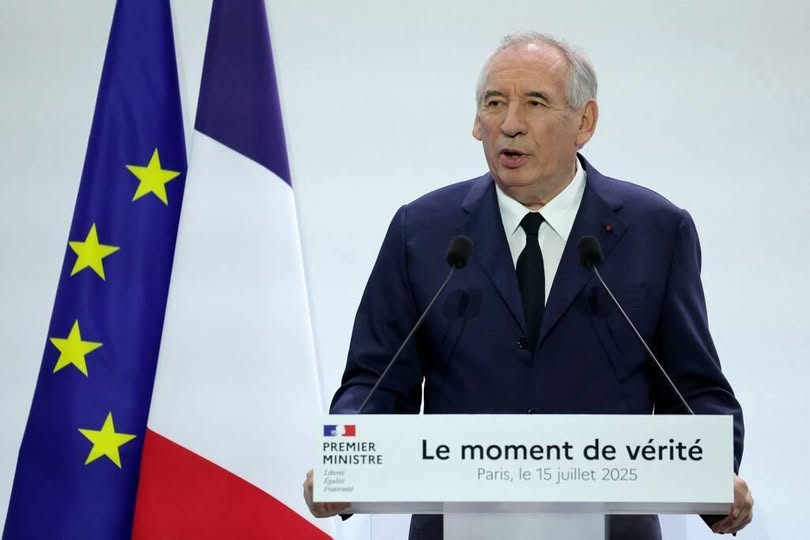
Bayrou argues that eliminating these two days could represent a significant productivity gain, estimating that each eliminated public holiday would provide an economic activity surplus. However, he insists on the “propositional” nature of his approach, saying he is ready to listen to the arguments of all concerned parties. An openness that did not prevent controversy from settling in, as the issue touches on deeply ingrained habits and tradition.
Which public holidays are concerned and why those?
The two public holidays targeted by the proposal are Easter Monday and May 8th. The first is a religious heritage, celebrated in many European countries, while the second commemorates the end of World War II in Europe, a highly symbolic date for national memory.
The choice of these two days is not accidental. Easter Monday is often associated with extended weekends, which, according to some economists, can disrupt production and impact company profitability. As for May 8th, it falls during a time of year when several other public holidays follow one another, generating what business leaders sometimes call the “month of long weekends.” For Bayrou, the aim is therefore to target dates that would have the most direct impact on activity without touching the most consensual holidays like May 1st or July 14th.
What would be the economic consequences of such a measure?
On the side of the reform supporters, the central argument is based on the increase in productivity expected. Some economists suggest that an additional working day could generate several billion euros of extra GDP each year. In a context of high public deficit and growing debt, this type of measure could help restore the State’s finances, while strengthening the competitiveness of French companies against their European competitors.
However, this optimism is far from unanimous. Several studies highlight that the removal of public holidays does not guarantee a mechanical increase in production, as it can also lead to a decrease in employees’ motivation and an increase in work-related stress. Others remind that certain sectors, such as tourism and catering, largely benefit from long weekends and public holidays to achieve a significant portion of their turnover. The economic balance would therefore strongly depend on the sector concerned.
How do the French react to this proposal?
François Bayrou’s announcement quickly sparked a wave of reactions, ranging from incomprehension, anger, to support. On social networks, internet users competed in creativity to defend their days off, some even proposing to replace the removed public holidays with “national solidarity days.” The unions, for their part, denounce an attack on social gains and warn that such measures could deteriorate the social climate within companies.
In the streets, the question is debated. Some employees see the removal of public holidays as an infringement on their quality of life, while others, notably among the self-employed and business leaders, perceive it as an opportunity to boost activity. Polls conducted since the announcement show a very divided public opinion, with a slight majority opposed to the removal of public holidays, but a significant portion of French people declaring themselves ready to discuss the issue if it comes with compensations.
What do experts say about the effectiveness of this measure?
Economists are far from speaking with one voice. Some, like economist Philippe Aghion, believe that the removal of public holidays could indeed boost growth in the short term but warn that the long-term effects remain uncertain. Others remind that well-being at work and employee motivation play a key role in economic performance, and that cutting into rest times could prove counterproductive.
International comparisons are often cited: Germany, for example, has fewer national public holidays than France but compensates with a different organization of working time. In Japan, the multiplication of “Mountain Days” or “Respect for the Aged Days” has not prevented the country from remaining one of the world’s leading industrial powers. The removal of public holidays is therefore not a miracle recipe but one lever among others to adjust economic policy.
Is the removal of these public holidays realistic and applicable?
Legally, modifying the public holiday calendar is a government decision but often requires consultation with social partners and a parliamentary vote. Previous cases show that this type of reform generally faces strong resistance, as the symbolism of public holidays remains powerful in France.
It remains to be seen whether Bayrou’s proposal will find a favorable response from the government and deputies. For now, the executive has merely emphasized the importance of social dialogue without taking an official position. The debate is therefore likely to settle in the long term, fueled by statements from various parties and by the memories attached to these famous days of rest.
Perspectives and Future of the Debate on Public Holidays
François Bayrou’s initiative has had the merit of bringing back to the table a sensitive issue, revealing tensions between economic efficiency and quality of life. The removal of Easter Monday and May 8th will not happen without passionate debates. This topic questions the country’s ability to rethink its traditions in light of contemporary demands.
History shows that major social reforms, even when they seem unpopular at first, can sometimes become accepted over time. But in a country where the slightest change to the school calendar or holidays is the subject of endless discussions, the removal of two public holidays promises to be a real political marathon. One thing is certain: the debate is just beginning, and everyone, from employees to business leaders, from union members to retirees, will have their say on the place of public holidays in French society.
François Bayrou’s proposal to remove two public holidays sparks many debates about the organization of working time in France. To deepen the issues related to compliance with labor law, it may be useful to look into the fight against undeclared work led by the labor inspectorate, a topic closely linked to employee protection and ongoing reforms.
FAQ: Everything You Need to Know About François Bayrou’s Proposal to Remove Public Holidays
What if this reform changed our traditions while boosting the economy?
François Bayrou’s proposal raises an essential question: can economic modernization be reconciled with respect for traditions? While removing certain public holidays could indeed stimulate productivity and strengthen competitiveness, it also risks disrupting habits deeply rooted in French culture. The challenge is to find a balance between progress and preservation of social heritage.
What would be the concrete repercussions for employees and businesses?
Removing public holidays could lead to an increase in working hours, potentially beneficial for the economy, but also a decrease in quality of life for some employees. For businesses, this could mean more commercial opportunities, especially in the tourism and restaurant sectors, but also risks related to demotivation or increased stress. The reality will therefore largely depend on how each sector adapts.