
Workplace surveillance is a sensitive topic that raises many questions. In France, an employer has the right to monitor their employees using cameras, but this practice must comply with certain legal conditions. The privacy of employees must be protected, and security can only be invoked for legitimate reasons. The rights of workers are at the heart of this issue, and surveillance must be proportionate and justified. So what are the rules to follow when installing such devices? How can the respect of employees’ rights be ensured?
What are the conditions for installing cameras in the workplace?

For an employer to install cameras in the workplace, certain conditions must be met. The surveillance must have a legitimate purpose such as the safety of property or persons. It is essential that this approach is neither intrusive nor excessive. For example, filming access areas such as entrances and exits is allowed, but monitoring workstations or break areas is not. The images captured must be used responsibly and not retained beyond a necessary period, generally one month.
Before installing a surveillance system, the employer must inform the employees about the objectives of this surveillance. This information must be clear and precise, specifying the retention period of the data and the rights of employees, including the right to object and to access. Furthermore, consultation with employee representatives is required before any implementation. This step is essential to ensure the respect of employees’ rights and to avoid any risk of violating the regulations.
What are employees’ rights regarding video surveillance?

Employees have specific rights concerning camera surveillance. They must be transparently informed about the objectives of the surveillance and the retention period of the images. Additionally, employees have the right to object to the surveillance if they believe their privacy rights are threatened. They can request access to the images concerning them and verify their use.
The consultation of employee representatives is an indispensable step to ensure that surveillance practices comply with the regulations. Employees may also contact the labor inspection or the CNIL in case of non-compliance. These institutions ensure the respect of workers’ rights and provide remedies in case of rule violations.
What remedies exist in case of non-compliance with video surveillance rules?

If an employer does not comply with the surveillance rules, employees have several remedies. They can contact the labor inspection or the CNIL to report any violation of their rights. These bodies have the authority to investigate surveillance practices and impose sanctions if necessary.
Additionally, employees can consult their employee representatives for advice and support. These representatives play a key role in protecting employees’ rights and can help resolve conflicts related to surveillance. In some cases, legal action may be considered to seek redress.
How to ensure the protection of employees’ personal data?
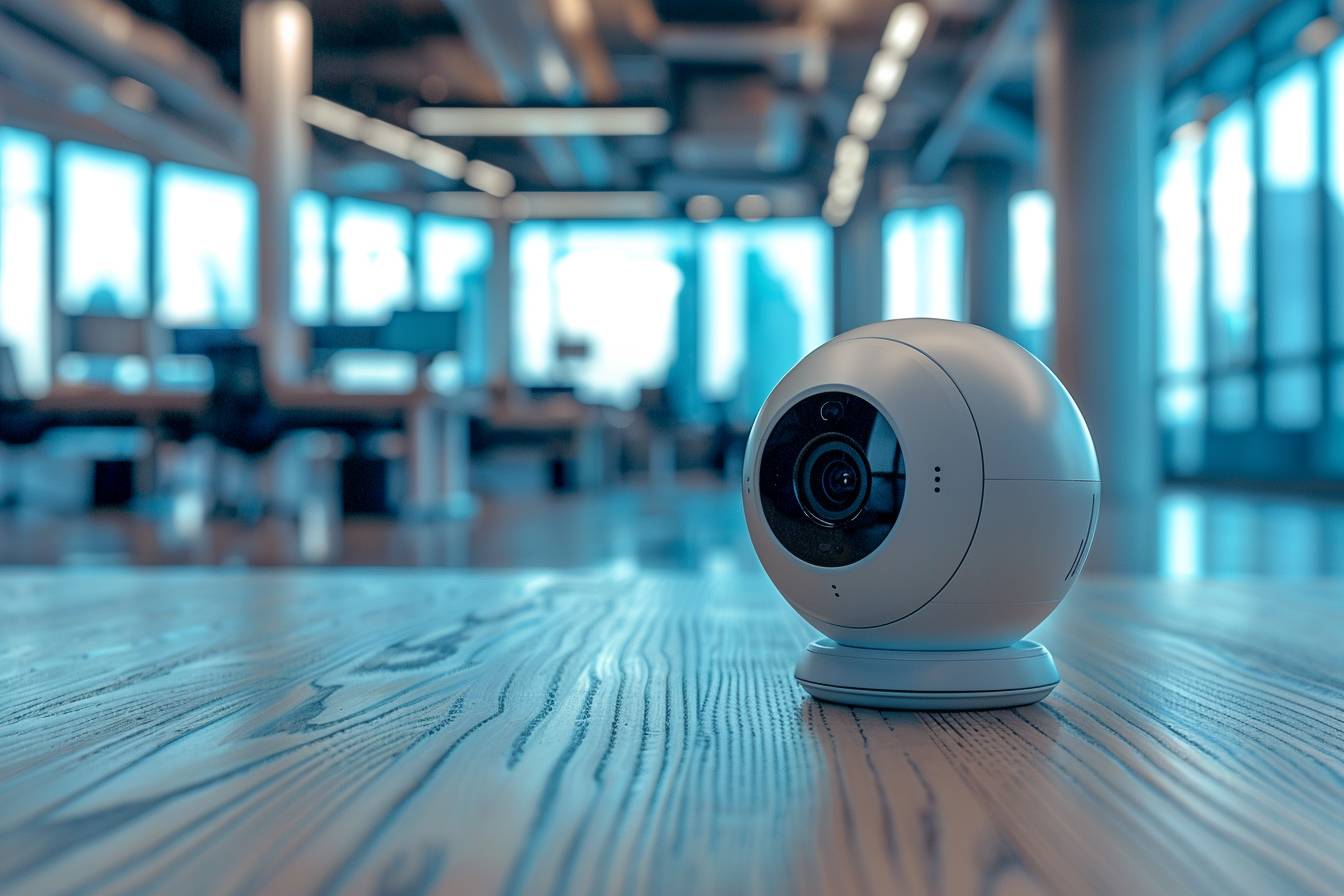
The protection of employees’ personal data is a priority when implementing surveillance systems. Employers must ensure that the collected data is secured and used only for legitimate purposes. Transparency is essential, and employees must be informed of their rights regarding data protection.
Employees’ consent is not always required for surveillance, but employers must respect the principles of necessity and proportionality. The risks associated with surveillance must be assessed and minimized to ensure the respect of employees’ rights. Furthermore, employers must take into account the CNIL’s recommendations to ensure surveillance complies with standards.
What are the best practices for responsible surveillance?

For responsible surveillance, employers must establish clear objectives and respect the rights of employees. Consulting employee representatives is essential to ensure that surveillance practices are fair. Employers must also ensure that surveillance devices are used in a proportionate and justified manner.
It is crucial to maintain an open dialogue with employees to address their concerns about surveillance. Employers must also ensure that the collected images are secured and accessible only to authorized persons. By following these best practices, employers can guarantee surveillance that respects employees’ rights while meeting legitimate needs for safety and security.
In this context, it is vital to address various aspects related to workplace surveillance:
- Surveillance and privacy: Surveillance devices must be installed respecting employees’ privacy, with clear and legitimate objectives, avoiding excessive intrusion into personal spaces.
- Conditions and consultation: Before installing cameras, the employer must consult employee representatives and inform employees about the surveillance objectives and image retention duration.
- Data protection: Collected data must be secured and used only for legitimate professional purposes, respecting employees’ rights and minimizing privacy violation risks.
How can video surveillance be proportionate and justified?

Proportionality and justification are key principles for camera surveillance at work. Surveillance is considered proportionate when it is limited to what is necessary to achieve a legitimate objective, such as the safety of property or the security of persons. Employers must assess whether less intrusive means could be used before opting for video surveillance. For example, installing cameras in storage areas for valuable goods may be justified, but their use in break areas would be excessive.
For surveillance to be justified, it must meet a clear and legitimate objective. This means employers must be able to demonstrate a real and specific need for installing cameras. For example, in case of repeated thefts, surveillance can be implemented to prevent further incidents. Employers must also ensure that images are used only for defined purposes and are not diverted from their original use.
Employees must be informed of the reasons why surveillance is implemented and the objectives it aims to achieve. This information must be provided clearly and understandably. Lack of transparency can lead to loss of trust and tensions within the company. To avoid this, it is recommended to hold information meetings and answer employees’ questions about surveillance.
The impacts of video surveillance on the work environment
Video surveillance can have significant effects on the work environment. It can generate feelings of distrust and stress among employees if they feel constantly watched. To mitigate these effects, it is crucial to ensure that surveillance is proportionate and justified. Employers should encourage open dialogue with employees to discuss their concerns and ensure their rights are respected. Well-managed surveillance can contribute to a safer and more peaceful work environment.
Alternative technologies to video surveillance
There are alternatives to video surveillance that can be less intrusive while ensuring safety and security. For example, using access badges allows control of entries and exits without resorting to cameras. Employers can also consider safety training to raise employees’ awareness of potential risks and preventive measures. These approaches can enhance security while respecting employees’ privacy.
What are the challenges of workplace surveillance?
Surveillance in the workplace raises important challenges regarding the respect of employees’ rights and the protection of privacy. It must be implemented in a proportionate and justified manner, with clear and transparent information provided to employees. Employers must ensure that surveillance devices are used for legitimate purposes and that the collected data is secured. By respecting these principles, it is possible to reconcile safety and security with the respect of employees’ rights, thus creating a harmonious and compliant work environment.
FAQ: Understanding Camera Surveillance in the Workplace in France
Can employees refuse to be filmed at their workplace?
Although employees cannot always refuse surveillance, they have the right to be informed of the reasons and methods of this surveillance. They can also challenge the legitimacy or proportionality of camera installation if they believe their privacy rights are threatened.
What consequences can an employer face for non-compliance with video surveillance rules?
An employer who does not comply with the rules may face sanctions from the CNIL or legal actions from employees. These sanctions may include fines, and in some cases, the obligation to remove non-compliant devices, as well as damage to their reputation.