
In France, the issue of smoking breaks raises many questions. Can these moments of relaxation outside working hours really be prohibited? The ban on smoking breaks by an employer seems to be a common practice, but what does the law actually say? Between employee rights and smoking in the workplace, French legislation provides a precise framework. Let’s dive into this world where health, safety, and smoking intertwine to understand the legal obligations and current practices.
What are the legal obligations of employers regarding smoking breaks?

In France, the legal obligations of employers regarding smoking breaks are clear. According to the Labor Code, employees are entitled to a minimum 20-minute break after six hours of work. This break can include lunch and is not specifically dedicated to smoking. The tolerance of these breaks therefore depends on the employer, but there is no legal right to a smoking break.
Furthermore, the ban on smoking in workplaces is governed by the Public Health Code. This regulation aims to protect employees’ health from passive smoking. The employer must therefore ensure that this ban is enforced to guarantee the safety and health of everyone.
Can an employer completely ban smoking breaks?

Although some employers tolerate smoking breaks, this remains a non-mandatory practice. An employer can choose to ban these breaks for reasons of safety and health. This ban must be clearly communicated to employees, notably through visible posting in the workplace.
In case of abuse, the employer can remind that these breaks are a tolerance and not a right. Sanctions may be applied, as shown in a case where an employee was dismissed for leaving their post to smoke without authorization.
How to ensure equal treatment between smokers and non-smokers?
Equality of treatment between smokers and non-smokers is an essential issue. An employer must ensure that smoking breaks do not create inequalities. This means ensuring that non-smokers are not disadvantaged in terms of schedules or work monitoring.
To do this, it is advisable to raise awareness among all employees about the risks of smoking and to promote a healthy work environment. Initiatives to reward non-smokers can be implemented, but they must be managed carefully to avoid any discrimination.
What are the possible consequences in case of abuse of smoking breaks?
Abuse of smoking breaks can have serious consequences. An employer has the right to take disciplinary measures if an employee does not comply with the established rules regarding breaks. This can range from a simple warning to dismissal in the most serious cases.
It is therefore essential for employers to implement clear measures and ensure that all employees fully understand the applicable regulations. Good posting of the rules and regular communication can help prevent abuse and maintain a harmonious work environment.
What initiatives can be taken to encourage a healthier work environment?

To encourage a healthier work environment, employers can implement awareness programs about the risks of smoking. These initiatives may include workshops on health and safety, informational sessions, and internal communication campaigns.
Rewards can also be offered to employees who choose not to smoke during working hours. However, these rewards must be implemented carefully to avoid any discrimination between smokers and non-smokers. By respecting the legislation and promoting a healthy environment, employers can contribute to a better quality of life at work.
To deepen the understanding of rights and obligations related to smoking breaks in the professional environment, let’s examine some essential aspects:
- Legal obligations: Employers must comply with regulations regarding breaks, guaranteeing a minimum of 20 minutes after six hours of work, while ensuring these moments are not specifically dedicated to smoking.
- Smoking ban: According to the Public Health Code, smoking in workplaces is prohibited to protect employees from passive smoking, which requires employers to strictly enforce this rule.
- Equality of treatment: It is crucial to ensure that smoking breaks do not cause discrimination between smokers and non-smokers, maintaining a fair balance of schedules and work monitoring for all employees.
What are the rights of employees regarding smoking breaks?
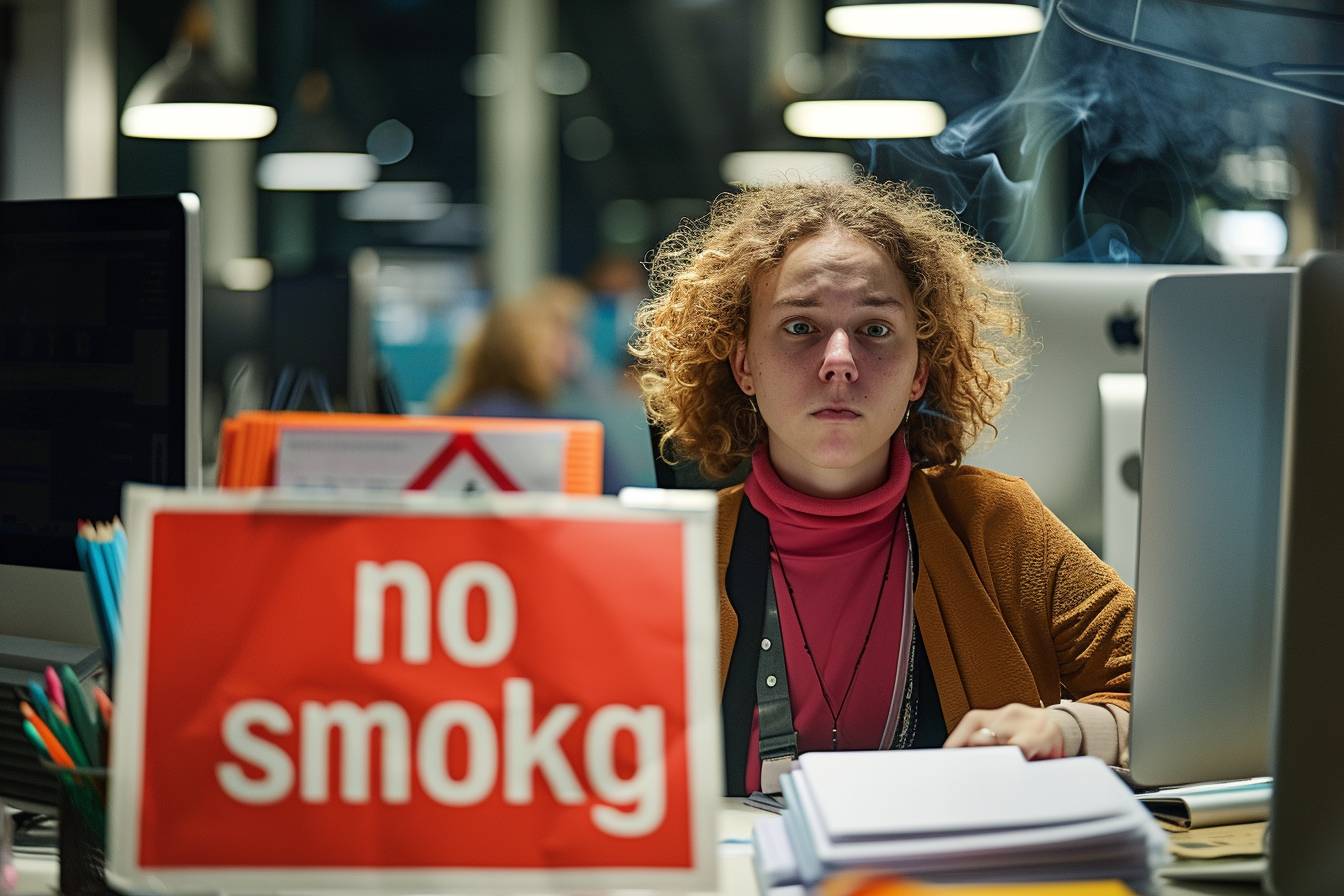
The rights of employees regarding smoking breaks are not explicitly defined by the Labor Code. However, employees may benefit from regular breaks, but these are not specifically dedicated to smoking. The employer must respect the legal obligations concerning working time and freedom of movement, while ensuring not to violate health and safety regulations.
It is crucial to understand that the freedom to smoke must not interfere with the proper functioning of the company. Smoking breaks must be taken outside the workplace and must not disrupt productivity. Employers can implement measures to regulate these practices, provided they respect the right to individual freedom.
In case of conflict, dialogue between employers and employees is essential to find a balance between professional obligations and personal freedoms. Employers can propose alternative solutions, such as dedicated spaces or adjusted schedules, to meet smokers’ needs while respecting the applicable regulations.
How to manage potential conflicts related to smoking breaks?
Managing conflicts related to smoking breaks requires a proactive approach. Employers must establish clear rules and communicate effectively with their employees. Visible posting of regulations and disciplinary measures can help prevent abuse and maintain a harmonious work environment.
What incentive measures for a tobacco-free environment?
To encourage a tobacco-free environment, employers can implement rewards for employees who choose not to smoke. These rewards may include financial benefits or additional days off. By raising employees’ awareness of the risks of smoking and promoting healthy practices, employers contribute to improving health and well-being at work.
Can an employer reconcile productivity and smoking breaks?

Reconciling productivity and smoking breaks is a challenge for many employers. By establishing clear rules and encouraging a healthy work environment, it is possible to maintain equality while respecting individual freedoms. Employers can propose innovative solutions to reduce the risks related to smoking and improve the quality of life at work. Ultimately, open communication and posting of regulations can help prevent conflicts and create a harmonious environment for all.
FAQ on smoking breaks at work
Can smoking breaks be taken outside legal break times?
In principle, smoking breaks must fall within the framework of legal breaks such as the 20-minute break after six hours of work. However, if the employer accepts it, they can be taken at other times, but this remains at their discretion and does not constitute a right.
What are employers’ responsibilities regarding the management of smoking breaks?
Employers must ensure compliance with smoking regulations in the workplace and ensure equal treatment between smokers and non-smokers. They can prohibit smoking breaks for safety and health reasons, provided employees are clearly informed.
Can smokers be penalized for their smoking breaks?
Yes, employers have the right to take disciplinary measures if smoking breaks disrupt work or are taken abusively. Sanctions must, however, be proportionate and follow clear communication of the applicable rules.