
In the professional world, the safety and health of workers are absolute priorities. The employer has clear legal obligations to protect their workers from occupational risks. These obligations include implementing prevention measures, risk assessment, and creating a safe work environment. But what exactly are these actions to be taken? How do information and training of employees fit into this organization? And what are the consequences for the employer in case of failure to meet their obligations?
What prevention measures must the employer take?
The employer must implement prevention measures to eliminate or reduce occupational risks. This includes risk assessment to determine the necessary actions. It is essential to protect the workers by providing clear instructions and prioritizing collective protection. The goal is to create a safe and healthy work environment.
Work accidents can have serious consequences. The employer must therefore assume their responsibility by ensuring optimal safety conditions. This involves cooperation with the workers to identify and resolve potential risks. A well-thought-out organization and appropriate technical capabilities are essential.
Occupational risks evolve over time. The employer must therefore regularly update the single document for risk assessment. This ensures that protection measures remain effective and adapted to new technologies and work methods.
How should the risk assessment be carried out?
Risk assessment is an essential step in managing safety. The employer must identify potential risks and assess them to determine the actions to implement. This assessment must be recorded in a single document, regularly updated.
Workers must be informed of the identified risks and the measures taken to protect them. Training is also essential to ensure that everyone understands the instructions and knows how to act in case of a problem. Good organization and effective communication are key.
The employer‘s technical capabilities must be leveraged to guarantee optimal protection. This may include using new technologies or adapting work methods to better manage identified risks.
What are the consequences of non-compliance with obligations?

Non-compliance with safety obligations can have serious legal consequences for the employer. In case of work accidents, the employer‘s responsibility may be engaged, leading to civil and criminal sanctions.
It is therefore essential for the employer to comply with all legal obligations to avoid such consequences. This includes implementing prevention measures, risk assessment, and proper documentation. Cooperation with the workers is also essential to ensure a safe work environment.
The new requirements for the dematerialized filing of the single document, which are gradually applied from 2023, reinforce the importance of compliance. Companies must ensure their organization is ready to meet these new obligations to avoid any legal issues.
To deepen the understanding of the employer‘s legal obligations regarding workplace safety, let us examine some key elements:
- Risk assessment: It is essential for the employer to carry out a systematic assessment of occupational risks to determine the necessary prevention measures. This includes regularly updating the single risk assessment document to ensure effective protection.
- Training and information: The employer must ensure continuous and appropriate training to inform workers of identified risks and the protection measures implemented. This ensures that each employee understands the instructions and knows how to react in an emergency.
- Collective and individual protection: Prioritize collective protection tools, such as safety equipment and alarm systems, while providing individual protective equipment adapted to the specific needs of each workstation.
- Mental health: Integrate mental health into safety measures by identifying psychosocial risks and implementing preventive actions, such as psychological support programs or workstation adjustments.
- Social dialogue: Encourage active and constructive social dialogue between the employer and workers to identify potential risks and improve working conditions. The implementation of safety committees can facilitate this cooperation.
How should the information and training of workers be organized?
Information and training of workers are key elements to ensure safety and health in the workplace. The employer must provide clear and precise instructions so that each employee understands the risks they are exposed to and the protection measures implemented. Appropriate training not only helps to prevent accidents but also improves cooperation among teams, thus fostering a harmonious work environment.
It is essential that training is continuous and adapted to the evolution of occupational risks. Employees’ technical capabilities must be regularly updated to ensure optimal protection. This proactive approach allows anticipating changes in work conditions and adapting the measures accordingly. Good organization of training and effective communication are therefore crucial to ensure everyone’s safety.
What collective protection tools should be prioritized?
Collective protection tools play a decisive role in the prevention of occupational risks. They include equipment such as safety barriers, ventilation systems, or alarm devices. These measures aim to reduce exposure to risks for all workers, creating a safer work environment. The employer must ensure that these tools are regularly maintained and adapted to the specificities of each workstation.
How to integrate mental health into safety measures?
Mental health is now recognized as an essential element of safety at work. The employer must identify psychosocial risk factors and implement actions to prevent them. This may include psychological support programs, workstation adjustments, or initiatives to improve the work organization. Taking mental health into account helps create a balanced and productive work environment.
What is the importance of adapting work to the individual?
Adapting work to the individual is an approach aimed at optimizing work conditions based on the physical and mental capabilities of the workers. This includes workstation arrangements, adjusting workloads, and considering individual needs. The employer must ensure that each employee works in conditions that preserve their safety and health. This approach helps reduce the risks of injuries and improves well-being at work.
How can cooperation between employer and workers be strengthened?
Cooperation between the employer and workers is essential to ensure a safe work environment. This cooperation involves open and transparent communication, where everyone can express their concerns and suggestions regarding safety. The employer must encourage workers to actively participate in identifying risks and implementing prevention measures. By working together, it is possible to create a safer and healthier work environment for all.
Why is it vital to comply with safety obligations?
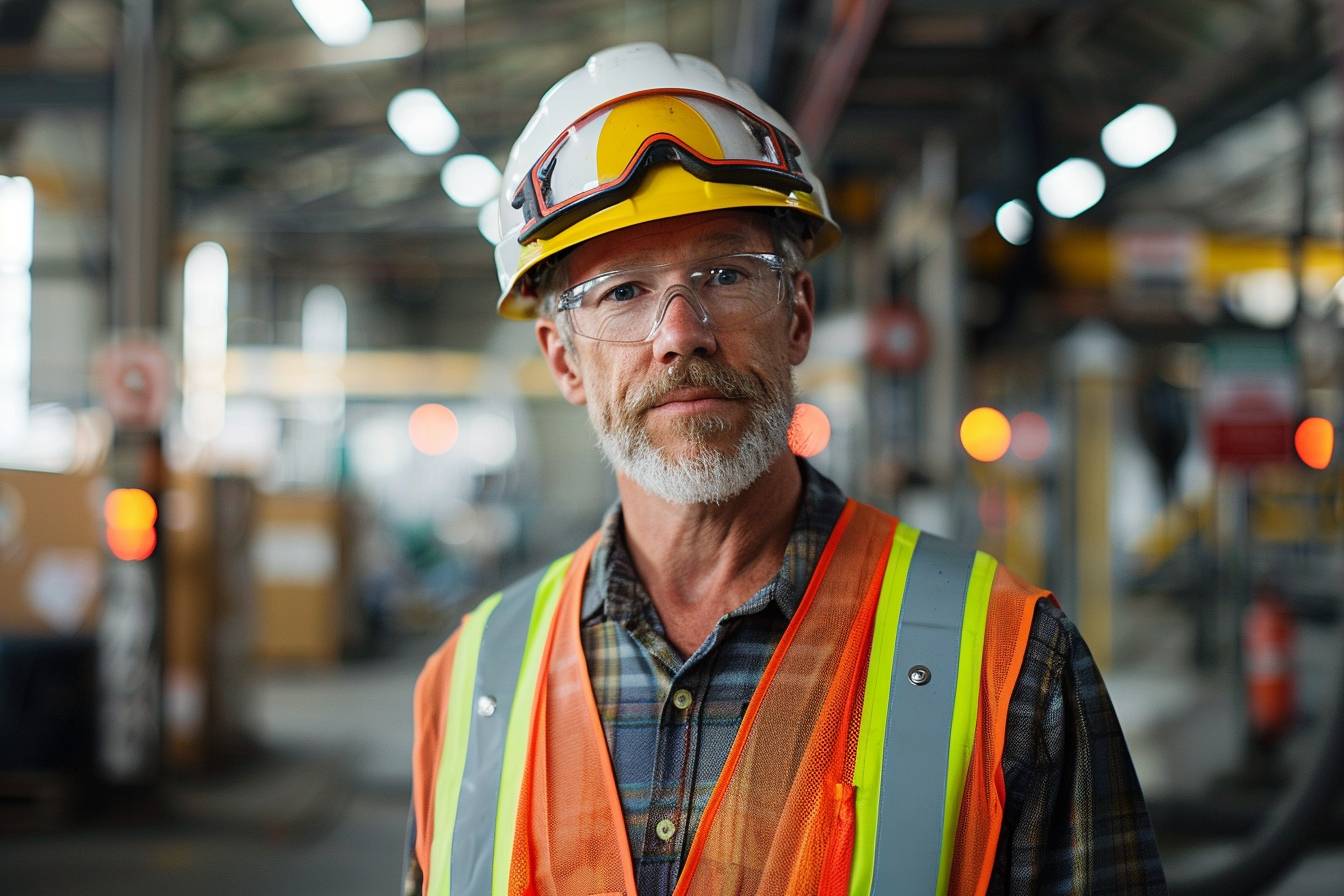
Complying with safety obligations is not just a matter of legal compliance; it is an essential approach to guarantee the protection of workers and ensure a healthy work environment. By implementing prevention measures, regularly assessing risks, and adapting practices to employees’ needs, the employer helps reduce accidents and improve overall well-being. This proactive approach benefits not only individuals but also the organization as a whole, by strengthening safety and fostering harmonious cooperation.
FAQ on Safety and Health at Work
What are the first reflexes to adopt in case of a work accident?
In case of a work accident, it is crucial to secure the area to prevent further incidents. Then, assist the victim and contact emergency services if necessary. Immediately inform your supervisor so they can begin the required administrative procedures.
What sanctions can a negligent employer face regarding safety?
An employer who does not comply with safety obligations may face civil sanctions, such as fines or damages, and even criminal sanctions, which can include imprisonment in case of serious fault. The company’s reputation may also suffer significantly.
How can an employee contribute to improving safety in their workplace?
Each employee can contribute to safety by following established instructions, reporting any dangerous situations to their supervisor, and actively participating in offered safety training. Communication and collective vigilance are essential keys to a safer work environment.