In a world where health and safety of workers are paramount, understanding how to report hazardous practices is essential for every employee. Faced with a risky situation, it is crucial to act with discernment to protect not only one’s own safety but also that of colleagues. What tools are available to ensure a healthy and secure work environment? How to use the right to alert and the right to withdraw effectively and without fear of retaliation? Discover the procedures and legal protections that will allow you to navigate this sometimes complex process with confidence.
What tools are available to report a danger at work?

For every employee, it is essential to know how to report a potential danger within their company. Two registers play a key role: the health and safety at work register and the serious and imminent danger register. These tools allow formal documentation of working conditions deemed dangerous. In case of risky behavior or equipment malfunction, it is recommended to record these elements in writing to ensure traceability and legal protection.
The Labor Code states that every employer must promptly respond to any alert issued by an employee. Failure to comply exposes the employer to legal sanctions. Employee representatives, especially within the Social and Economic Committee (CSE), play a key role in assessing and reporting risks. Their involvement is essential to ensure that protection procedures are respected and that employees are heard.
How to exercise the right to alert and withdraw?
The right to alert allows any employee to report a situation they consider dangerous. This right is essential to ensure their health and safety. In case of imminent danger, the right to withdraw authorizes the employee to stop their activity until the risk is removed. It is recommended to formalize this alert in writing to ensure traceability and avoid possible disputes.
French legislation protects employees legitimately exercising their right to withdraw, prohibiting the employer from sanctioning them. In case of non-compliance with these rights, employees can turn to competent authorities, such as the Defender of Rights, to assert their legal protection. An investigation may be conducted to assess psychosocial risks, harassment, or violence at work.
What role do employee representatives play in risk management?
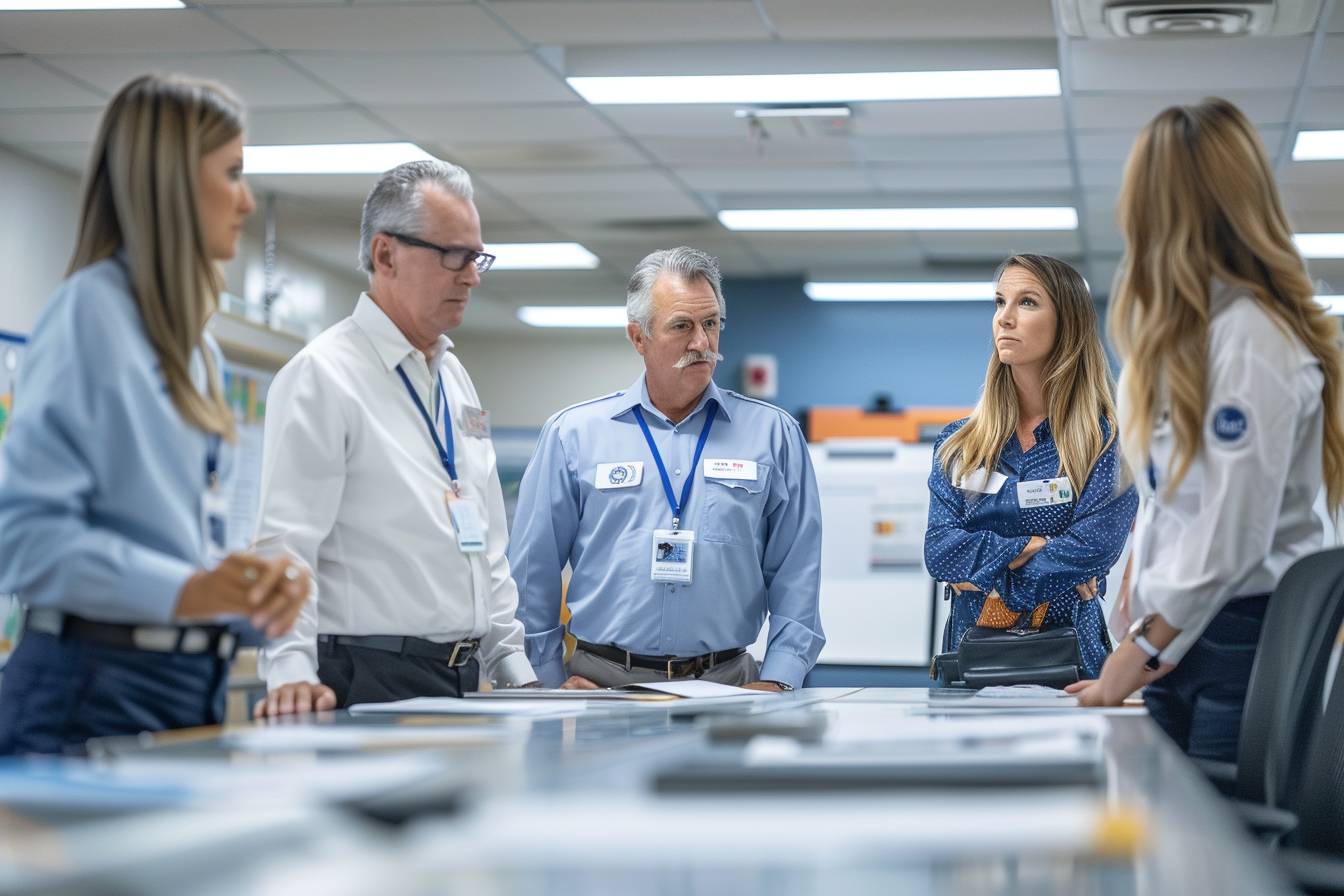
Employee representatives, especially those of the Social and Economic Committee (CSE), are key players in risk management. Their mission is to identify and report dangerous situations and ensure that protection procedures are followed. Their role is to ensure that every employee can work in safe working conditions.
In case of serious and imminent danger, employee representatives can intervene quickly to alert the employer and demand corrective measures. They are also responsible for ensuring that employees are informed of their rights and the procedures to follow in case of an incident or accident. Their involvement is essential to guarantee the protection and health of all workers.
How to effectively document an alert to ensure traceability?

To ensure effective traceability of any alert, it is advisable to formalize the report in writing. This documentation can take the form of a detailed report recording the facts, working conditions, and identified risks. A copy of this report should be kept by the employee to avoid any potential harm.
In case of no response from the employer, this document will serve as evidence during a possible investigation or legal action. It is also possible to request the intervention of employee representatives to support the report and ensure that protection procedures are followed. French legislation ensures that every employee can exercise their rights safely.
What are the possible consequences of reporting for an employee?
Exercising the right to alert and withdraw is a legitimate act that should not cause any harm to the employee. French legislation protects employees against any form of retaliation or sanctions by the employer. In case of inappropriate behavior by the employer, the employee can appeal to the competent authorities.
A well-documented and justified report can also lead to significant improvements in working conditions. Employee representatives and the CSE can play a decisive role in implementing corrective measures. Thus, the employee actively contributes to the safety and well-being of all workers, while ensuring their own protection.
By further exploring ways to ensure a safe work environment, one can focus on several essential aspects:
- Danger reporting: A formal reporting procedure allows quick alerting of the employer and employee representatives about dangerous working conditions, ensuring an immediate and appropriate response.
- Legal protection: French legislation offers protection to employees exercising their right to alert and withdraw, shielding them from any harm or retaliation by the employer.
- Continuous improvement: Taking the initiative to report risks contributes to improving working conditions, fostering a culture of prevention and safety within the organization.
How to legally protect yourself after reporting?

When an employee decides to report a dangerous situation, it is crucial to know the legal protections they benefit from. French legislation guarantees protection against retaliation, ensuring that the employee will not suffer any harm for exercising their right to alert. Carefully documenting each report is a fundamental step to guard against any negative action by the employer.
It is recommended to keep copies of all documents related to the report, including written exchanges with the employer or employee representatives. These proofs can be essential if an investigation is necessary to verify the working conditions. Furthermore, the support of employee representatives can strengthen the credibility of the report and ensure that protection procedures are followed.
In case of dispute, the employee can turn to bodies such as the Defender of Rights or take the matter to competent courts. These institutions ensure that the rights of the employee are respected and that working conditions are improved. Legal protection is a major asset for any employee wishing to contribute to a safer work environment.
What are the signs of psychosocial risks?
Psychosocial risks can manifest in various ways in a professional environment. Signs include harassment, violence, chronic stress, and high pressure at work. These behaviors can have devastating effects on the mental and physical health of employees. Recognizing these signs is crucial to intervene quickly and protect workers from any harm.
How can the CSE intervene effectively?
The Social and Economic Committee (CSE) plays a decisive role in risk management within the company. In case of an incident or danger, the CSE can request a thorough investigation to assess the situation and recommend corrective measures. Thanks to their expertise, CSE members can collaborate with the employer to implement effective protection procedures, ensuring a safe and healthy work environment for all employees.
Why is it important to report a danger at work?

Reporting a danger at work is a responsible act that contributes to the health and safety of all workers. By taking the initiative to report dangerous working conditions, every employee plays an active role in preventing accidents and incidents. This not only protects their own safety but also that of their colleagues. Thanks to established procedures and legal protection, it is possible to create a safer and healthier work environment where everyone can thrive with confidence.
FAQ: Everything you need to know about reporting dangers at work
What are the first steps to take if I detect a danger at work?
If a danger is detected, it is essential to report it immediately to your supervisor or an employee representative. Document the details in writing to ensure traceability and follow your company’s internal reporting procedures.
What are my rights if I face retaliation after reporting?
You are protected by French legislation which prohibits any form of retaliation for exercising your right to alert. In case of unfair sanction, you can appeal to competent authorities such as the Defender of Rights to defend your rights.
How can the CSE help me in the reporting process?
The Social and Economic Committee (CSE) can intervene by assessing the situation and proposing corrective measures. They are also there to advise you and ensure that your rights are respected throughout the process.