
When faced with a labor inspection, every employer must be ready to provide a series of essential documents. These documents are indispensable to demonstrate the company’s legal compliance and avoid any penalties. Whether it is the company’s activity declaration, the staff register, or reports on occupational risks, each element is important. Prepare to discover how to navigate this administrative maze with ease and confidence.
What are the essential documents to prepare?

During a labor inspection, the employer must present a series of documents that attest to the company’s compliance. Among these, the company’s activity declaration is indispensable. It proves that the entity is registered and operational. Furthermore, the staff register is also required. This register contains essential information about each employee, such as the hiring date and the nature of the contract.
Additionally, the pay slip is a document that the inspector may request. It is essential to verify that employees are paid in accordance with current laws. The internal regulations, for their part, are another important document. They define the rules of conduct within the company and must be easily accessible to all employees.
Finally, the mandatory posting plays an indispensable role. It includes information on health and safety at work, break and rest schedules, as well as emergency contacts. This information must be visible and up to date to ensure the safety and well-being of employees.
How to ensure compliance in health and safety matters?
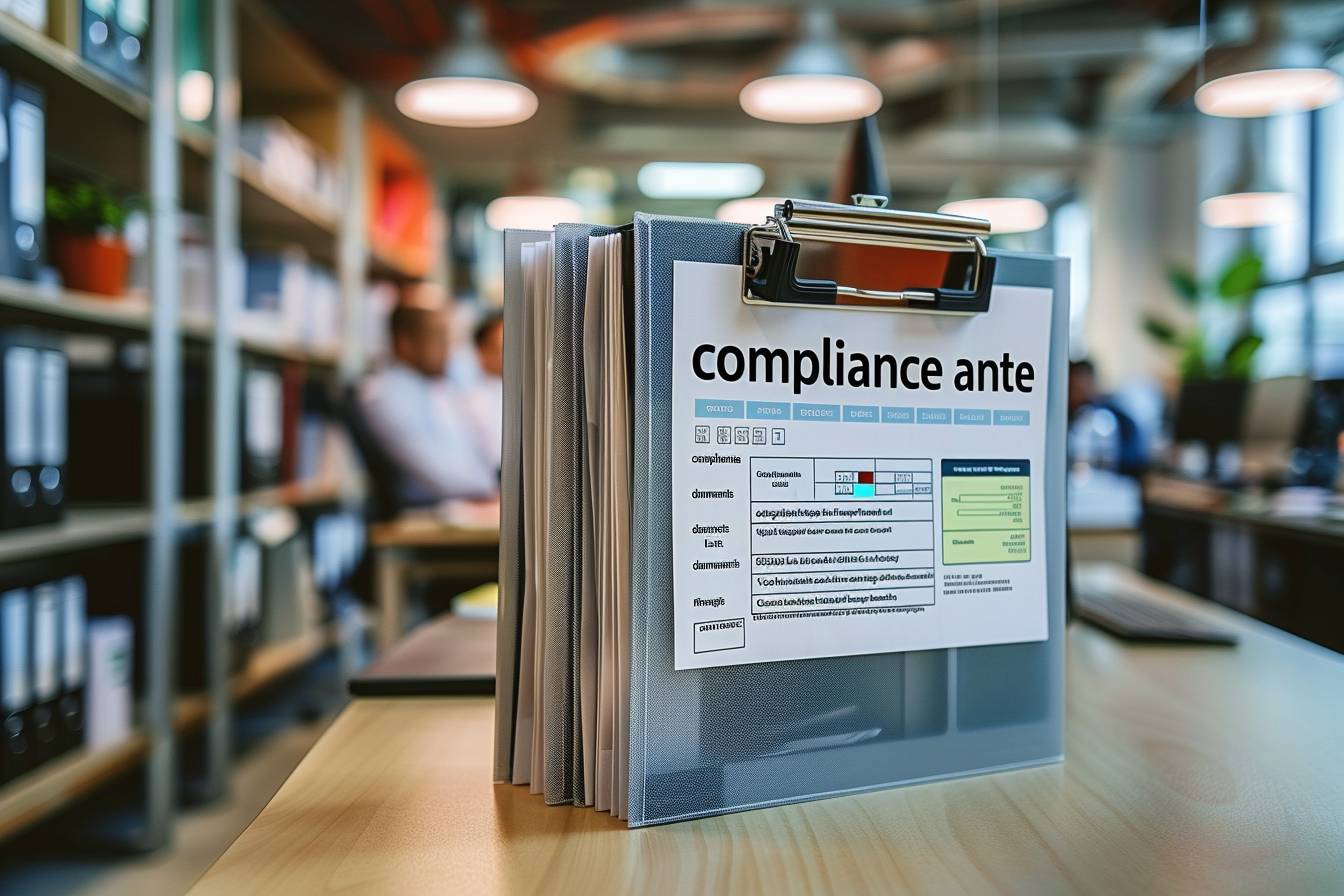
Health and safety of employees are top priorities during a labor inspection. The employer must provide proof of compliance with safety standards, notably through the single document for the assessment of occupational risks. This document identifies potential hazards in the workplace and describes the measures implemented to mitigate them.
Reports of work accidents are also essential. They demonstrate that the company takes incidents seriously and implements corrective measures to prevent their recurrence. The social report may also be requested. It provides an overview of working conditions and measures taken to improve employee well-being.
Reports of regulatory inspections, such as checks on fire and electrical standards, must be up to date. These regular inspections ensure that the company’s infrastructure is secure and compliant with legal requirements. Ensuring workplace safety is not only a legal obligation but also a moral commitment to employees.
What are the obligations regarding contracts and recruitment?

During a labor inspection, it is essential that the employer can provide all employment contracts. Each contract must comply with current laws and detail the terms of employment, including the duration of the contract, working hours, and rest periods. These documents ensure that each employee is engaged under fair and legal conditions.
The recruitment process must also be transparent and compliant with regulations. Documents related to recruitment procedures, such as job offers and selection criteria, may be reviewed by the inspector. This ensures that the company respects principles of equality and non-discrimination during hiring.
Finally, the mandatory posting concerning workers’ rights must be visible and accessible. This includes information on applicable collective agreements, training rights, and contacts for employee representatives. These postings ensure that employees are informed of their rights and available support resources.
To address these aspects clearly, let’s examine some key elements to consider during a labor inspection:
- Mandatory documents: Every employer must be able to present the activity declaration, the staff register, and pay slips to prove the company’s legal compliance.
- Mandatory posting: Information on health, safety, break, and rest schedules must be clearly posted and accessible to all employees to ensure their well-being.
- Reports of regulatory inspections: Regular checks of fire and electrical standards are essential to ensure a safe working environment compliant with legal requirements.
What mandatory postings must not be forgotten?

In the context of a labor inspection, mandatory posting is a crucial element not to be overlooked. It must include essential information such as the contact details of the labor inspector, rules related to work accidents, and health and safety instructions. These postings allow employees to access vital information about their rights and obligations. Incomplete or outdated postings could lead to sanctions for the employer.
It is also important to post break and rest schedules, as well as rules concerning occupational risks. This information ensures that employees are aware of their rest times and the safety measures in place. The employer must ensure that these postings are visible and understandable to all, thus guaranteeing full transparency within the company.
How to manage employee training files?
Managing training files is an aspect often scrutinized during a labor inspection. It is crucial to keep proof of all training completed by employees, including mandatory training on safety and health. These documents demonstrate that the company invests in the professional development of its employees and complies with workplace health and safety standards.
What verification reports are necessary?
Regulatory inspection reports are indispensable to prove that the company complies with legal safety standards. This includes checks of electrical installations and fire-fighting equipment. These reports must be regularly updated and available in case of an inspection. They ensure that the work environment is safe for all employees.
How to ensure the compliance of employment contracts?
To guarantee the compliance of contracts, the employer must ensure that each contract is drafted in accordance with current legislation. This includes mentioning the duration of the contract, recruitment conditions, and rights to break and rest. Regular verification of contracts can prevent errors and avoid complications during a labor inspection.
What are the risks of non-compliance?
The risks of non-compliance during a labor inspection are numerous and can have significant consequences for the employer. These may include fines, administrative sanctions, or even legal proceedings. It is therefore crucial to keep all documents up to date and ensure that all internal procedures comply with current legal standards.
How to prepare effectively for a labor inspection?

Preparing for a labor inspection requires rigorous organization and attention to detail. The employer must ensure that all necessary documents are up to date and easily accessible, including contracts, the staff register, and reports of regulatory inspections. Thorough preparation not only demonstrates the company’s legal compliance but also strengthens employee confidence by showing that their health and safety are a priority. By being proactive and maintaining accurate documentation, the employer can approach any inspection with calm and confidence.
FAQ on Labor Inspection
What to do if a document is missing during the inspection?
Don’t panic; all is not lost! Contact the inspector to explain the situation and show your willingness to regularize it quickly. Often, sincere cooperation can avoid immediate sanctions.
How to handle a non-compliance situation discovered by the inspector?
Adopt a proactive approach by acknowledging the problem and implementing a concrete action plan to remedy it. Show the inspector that you take the situation seriously and commit to following the provided recommendations. This can mitigate negative consequences.