
The maternity period is a precious and delicate time for every woman. In the professional context, it comes with specific protections to ensure the health and well-being of the employee and her child. In France, these legal provisions guarantee protection against dismissal and secure employment. Discover how these rights are applied and what the obligations of employers are to create a respectful work environment.
What are the rights of pregnant employees regarding confidentiality?

In France, a pregnant employee is not required to disclose her pregnancy status to her employer immediately. This confidentiality is respected until the request for maternity leave. This period allows the pregnant woman to prepare for her departure with peace of mind. In case of refusal to disclose her status, the employer cannot take any discriminatory or coercive measures.
French regulations place particular importance on the protection of confidentiality. Employers must respect this professional secrecy and cannot require a medical certificate before the maternity leave. This helps preserve the integrity and remuneration of the employee until her departure.
How is protection against dismissal ensured?

During the maternity period, protection against dismissal is absolute. This means that a female employee cannot be dismissed during her maternity leave. This protection also extends to the declared pregnancy period, except in cases of serious misconduct or impossibility to maintain the employment contract.
Outside of the maternity leave, the protection is relative. The employer must prove that the dismissal is not related to the pregnancy status and must comply with the legal provisions. This guarantees that the pregnant employee benefits from secure employment and continuous remuneration.
What are the workplace adjustments for pregnant women?
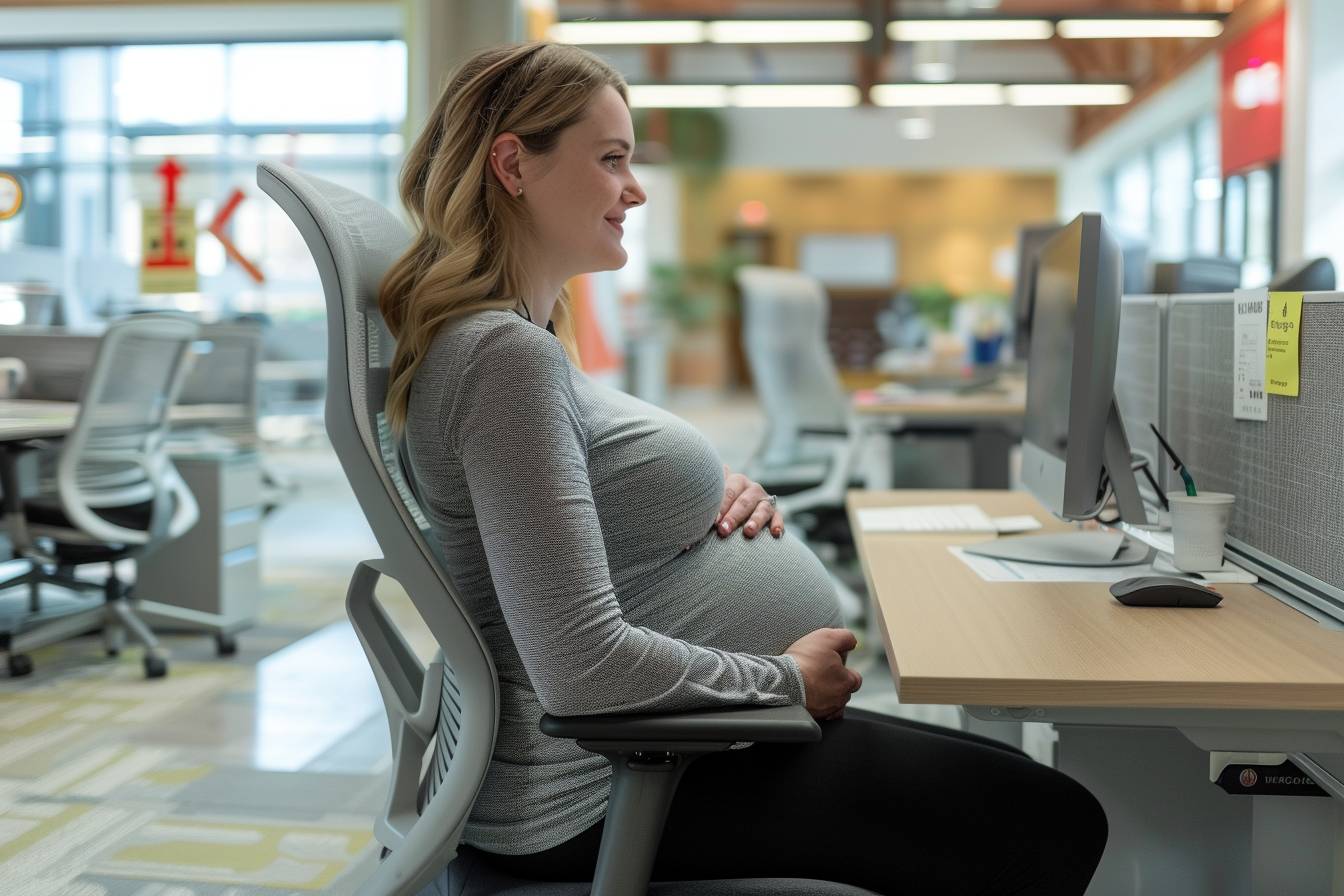
Pregnant women must be removed from any position presenting particular risks to their health and that of the child. The employer has the obligation to propose an adjustment or a change of position if necessary. This helps prevent any potential danger during the pregnancy period.
The occupational physician plays a key role in assessing risks and advising on necessary adjustments. The legal provisions ensure that these adjustments are respected, thus guaranteeing a safe work environment for pregnant women.
How is the continuity of remuneration ensured during maternity leave?

During the maternity leave, the remuneration of the employee is maintained. The social security covers part of the salary, allowing the employee to focus on her health and that of her child without financial concern.
The legal provisions guarantee that absences for maternity leave are considered as periods of actual work. This means that the employee continues to accumulate rights to paid leave and seniority, thus strengthening the protection of her rights.
What particular risks must be avoided for pregnant women?

Legislation prohibits pregnant women from working in positions exposed to particular risks, such as chemicals or heavy loads. These provisions aim to protect the health of the employee and the child.
The employer must prevent these risks by conducting regular evaluations of working conditions. The regulations require preventive measures to be implemented to avoid any dangerous exposure, thus ensuring a safe and healthy work environment.
To deepen the understanding of the legal protections for pregnant women at work, let’s examine some key aspects:
- Protection against dismissal: Pregnant women benefit from enhanced protection against dismissal during pregnancy and maternity leave, except in cases of serious misconduct.
- Workplace adjustment: The employer must adapt the workplace to avoid any particular risk to the health of the employee and the child.
- Confidentiality of pregnancy status: The employee is not required to disclose her pregnancy status immediately, and the employer must respect this professional secrecy.
What are the rights of pregnant women during the probationary period?
The probationary period is often a stressful time for many employees. For a woman who is pregnant, this period may seem even more uncertain. In France, the legal provisions guarantee that pregnancy status cannot be a reason for terminating the probationary period. This means that protection applies from the start of the employment contract, ensuring that the employee does not suffer any discrimination.
Employers must ensure not to end the probationary period because of the pregnancy status. In case of refusal to extend or termination, the employer must be able to prove that the decision is related to objective professional reasons and not to the pregnancy status. This protection allows pregnant women to feel more secure during this period.
It is essential that pregnant employees are informed of their rights during the probationary period. Knowing these protections can help them navigate their employment more calmly and focus on their health and that of their child. This information is crucial to guarantee a fair and equitable work environment.
How to prevent discrimination during hiring?
Discrimination during hiring due to pregnancy is strictly prohibited in France. Employers must be vigilant and avoid any questions or remarks regarding pregnancy status during interviews. The legal provisions protect pregnant women against any form of discrimination, thus ensuring access to employment without prejudice. It is also crucial that employees are aware of their rights to assert them if necessary.
What remedies are available in case of non-compliance with rights?
In case of non-compliance with rights related to maternity, pregnant women can turn to labor courts (prud’hommes) to seek redress. The legal provisions provide a solid framework to challenge any discriminatory or unfair decision. It is vital for employees to document any potentially discriminatory situation and consult a legal professional for support in their procedures. Protecting their rights is essential to guarantee a respectful and fair work environment.
How to ensure a respectful work environment for pregnant women?

Ensuring a respectful work environment for pregnant women relies on the rigorous implementation of legal provisions and raising employers’ awareness of the rights of employees. Open dialogue between the employer and the employee is essential to anticipate and organize necessary adjustments. Understanding and respecting legal obligations not only guarantee the protection of the employee but also foster a climate of trust and kindness within the company. Vigilance and proactivity are key to preventing any risk of discrimination and ensuring a serene and fulfilling maternity.
FAQ on the Rights of Pregnant Women at Work in France
Do pregnant women have the right to a schedule adjustment?
Pregnant women can indeed request an adjustment of their schedule for medical reasons. This may include reduced working hours or additional breaks, according to the occupational physician’s recommendations. The goal is to ensure a balance between the employee’s well-being and professional requirements.
What specific support is offered to expectant mothers in companies?
Besides protection against dismissal, companies may offer support such as wellness programs, access to health and nutrition advice, and sometimes even support groups among colleagues. These initiatives aim to support expectant mothers in their professional and personal journey.
How can an employee protect herself against discrimination related to her pregnancy?
To guard against discrimination, it is essential that the employee knows her rights and keeps written records of any suspicious interactions. In case of problems, she can address human resources or consult a labor law specialist for tailored advice. Vigilance and information are the best protections.